
Overview
A rapidly scaling national non-profit, which relied primarily on trained volunteers to deliver its service, asked us to redesign their marketing and communications to increase the amount of annual volunteers. The challenge: communicate the real needs of vulnerable and trauma-experienced young people with dignity - avoiding the deficit language that had historically produced ‘vanilla’ campaigns, and resulted in sub-optimal conversion.
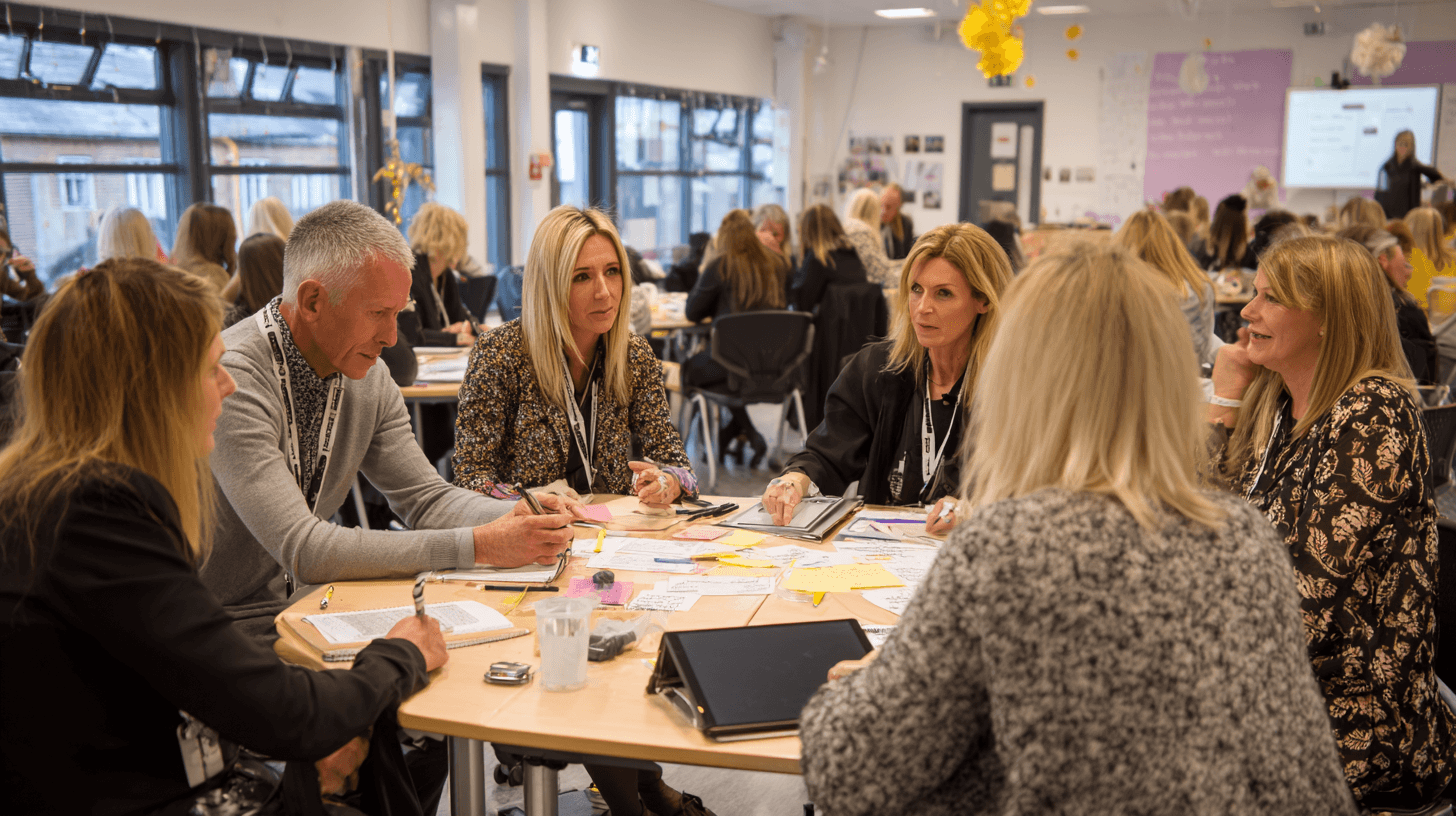
Together with young people, volunteers and employed team members, we reframed the brief: lead with connection, journey and place, using first-person narratives and verbatim, anonymised discourse, so that audiences encountered authentic voice, rather than third party rephrasing.
‘They gave us the courage and method to hear all voices, and created the environment that enabled and supported them to share.'
Partnerships Director
The storytelling-to-action pathway
1. Listen + learn
Our work started by understanding what was really happening currently. We reviewed the last 3 years of marketing results (what was sent, who saw it, what they did next) and ran informal sessions with likely volunteers – targeting men aged 25–44, where the gap was greatest.
What we found: people who heard a real story from a young person or mentor were about three times more likely to consider volunteering than those who only saw a poster or heard a radio advert. This told us stories resonated.
2. Safeguard + shape
Before sharing any stories, we ensured safety and respect for everyone through:
Permission (consent): people choose precisely what to share and knew at any point they could change their permission
Anonymisation: we removed or changed names and locations so individuals couldn’t be identified
Trauma-aware interviewing: we used trauma-informed approaches, ensuring young people felt comfortable to also stop or pause at any time
Language guidance: we avoided labels that reduce young people to their challenges; we focused on strengths, journeys and ambitions.
This gave a simple, ethical framework that the whole team could follow.
3. Create + systemise
We built a repeatable content engine so powerful stories keep flowing, without burning people out:
Recording of 52 short testimonies (young people and mentors) in their own words
Editing into 15-, 30- and 90-second videos for phones, plus a few longer pieces for the website
Ensure authenticity was captured in the look and feel: easy-to-read text on videos, clear captions for silent viewing, photos that showed real places and people, and one obvious button (‘Curious to volunteer?’) so the next-step was obvious.
4. Activate + convert
We supported the team to put the right stories in the right places, and made signing up quick and human:
Where we published: short videos on social media, local radio, and partnerships with community sports clubs and colleges
Audiences targeted: we focused on areas near workplaces and campuses, micro-targeting the people most likely to want to get involved
Smoothed sign-up experience: a shorter form, a quick ‘am I a good fit?’ checklist, instant booking for a call, helpful text reminders, and easy ways for current mentors to invite a friend.
This turned interest into action, with less drop-off and faster onboarding.
‘Applications didn’t just rise, the calibre and fit improved because people knew exactly what they were volunteering for.’
Operations Director
Impact and next steps
Basing the marketing campaign on the testimonials of the youth supported and the volunteers working with them aligned with the charity’s advocacy and thought-leadership positioning that emphasised the value of lived experience. This resulted in:
Volunteer registrations: +65% in 6 months, with target demographic sign-ups growing from 21% → 42% of total.
Funnel performance: landing-page conversion +41%; cost-per-completed-application -28%; average time-to-onboard cut from 46 → 24 days.
Message equity: campaign feedback survey (1,068 respondents): 88% strongly agreed or agreed with the statement ‘[The Charity] communicates the needs of young people served in a transparent, authentic and validating format.’
Story video library: the campaign’s success led to the creation of a searchable cloud-based video library hosting over 100 volunteer piece-to-camera testimonials encompassing key aspects and themed experiences gained whilst volunteering.
We then trained the charity's Communications team on the new Ethical Story Framework; handed over the content engine in a playbook; and coached Regional Leaders on partnership activation. A year-two brief extended the approach to corporate and alumni volunteering.