
Overview
We were commissioned by the President of a 23,000-acre forestry and land management company to chart a diversification path that enhanced natural capital, delivered visible social value across neighbouring towns, and protected the balance sheet. The brief combined long-term commercial strategy, stakeholder engagement, and a pragmatic delivery plan that could start within the financial year.
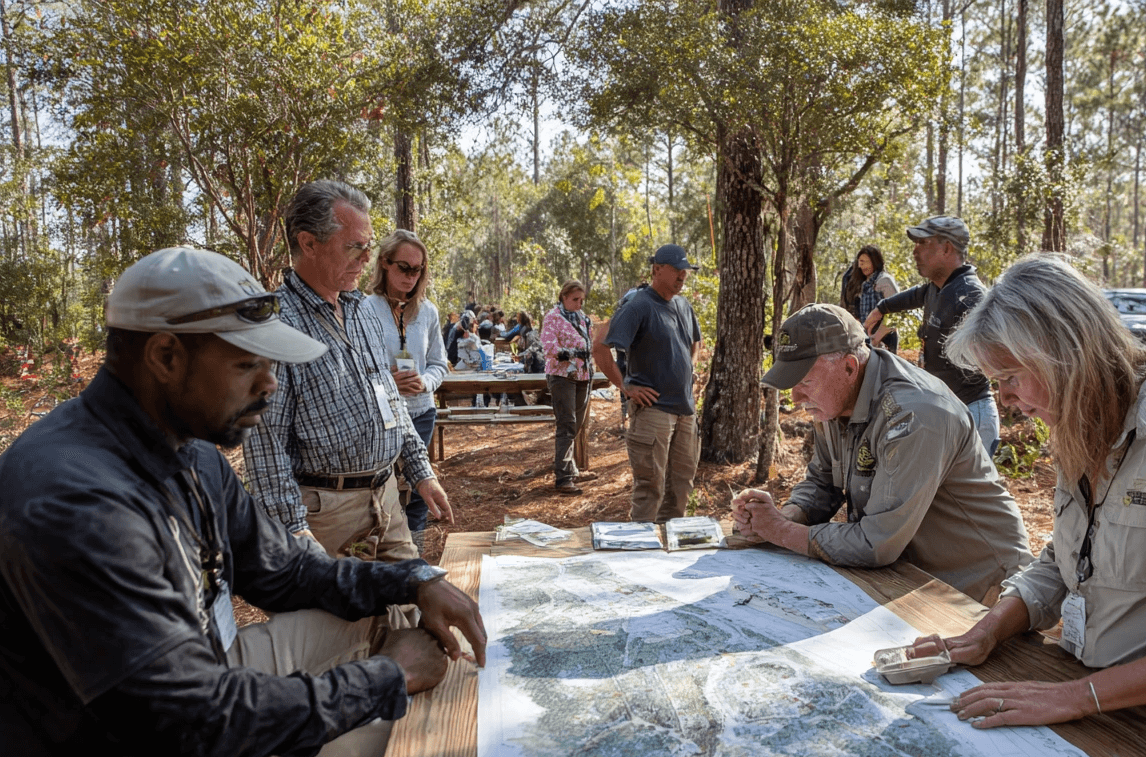
Working with estate managers, foresters, local authorities, community leaders and education partners, we built a co-designed growth strategy. The anchor move: repurposing 1,100 acres (around 5% of the estate) for community-led sustainable agriculture, skills and education programmes; without undermining core timber operations.
‘…you helped us hold the commercial, environmental and community goals in the same conversation, and turn them into a strategy that we could start work on the next day.’
Company President
Diversification as an asset portfolio
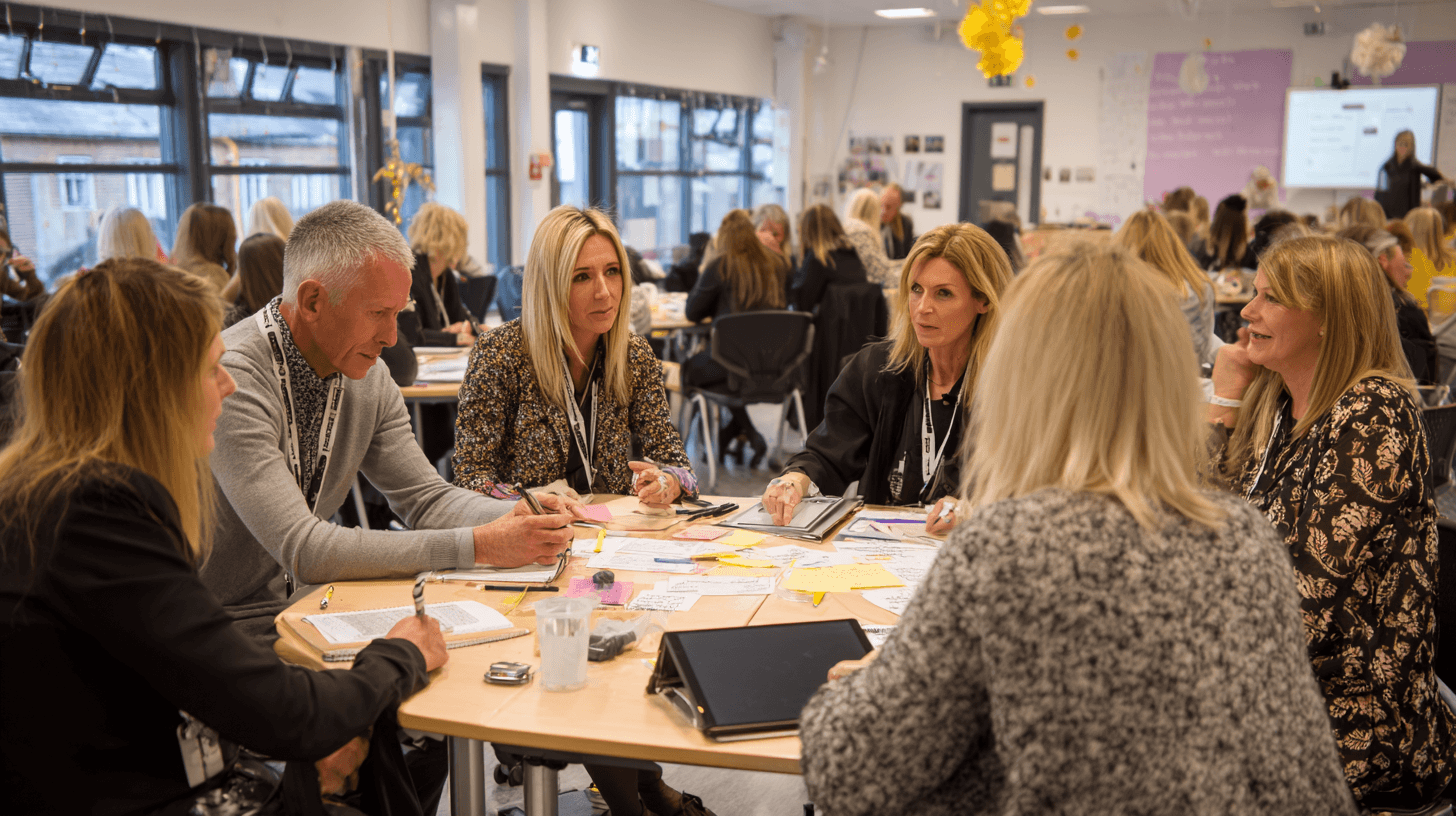
We worked with leaders to frame diversification as an asset portfolio, and used co-design to unlock operational expertise.
‘Co-design changed what we invested in and who benefits from the land.’
Company Director
Although the broad end-goal was known, there was a great deal of scope and variables regarding how to get there. Co-design and integrated feedback loops were crucial for this project - to be successful, all stakeholders needed to felt heard, and to identify with the overall vision as one they have created. From the beginning, this project was agile and iterative - stages 5 and 6 could only happen once stages 1 through 4 were decided and accomplished.
6-Stage Arc
1. Listening + mapping | 31 interviews; asset + constraint map across the estate; baseline P&L + natural-capital read
2. Future-back scenarios | 10- and 20-year scenarios balancing timber cycles, market risk, biodiversity, and community needs
3. Option design | 18 options; filtered to 7 priority plays spanning regenerative agri-leases, outdoor learning, eco-tourism micro-sites, and value-add timber
4. Community co-design | three town-hall labs; youth, community growers, schools and SMEs shaping land-use principles and governance
5. Portfolio economics | phased capex/opex, blended-finance routes, and joint-venture templates; stress-tested against commodity price swings and drought risk
6. Delivery blueprint | 24-month roadmap; operating model; KPIs spanning yield, jobs, apprenticeships, biodiversity indices and net revenue.
Impact and next steps
Community-led zone established: 1,100 acres allocated through a transparent licensing framework; first 9 growers/education partners onboarded
Diversification pipeline: 7 priority plays with a staged NPV model; year-2 portfolio projected to lift non-timber revenue by +18-24% while keeping leverage within covenants
Stakeholder trust: participation from 402 residents; 89% of attendees reported the process ‘influential’ or ‘very influential’ on final choices
People + skills: plan for 60 apprenticeships/traineeships over 3 years tied to sustainable agriculture and estate operations
Environmental guardrails: soils, water, and biodiversity KPIs embedded; no-net-loss baseline with annual public reporting.
Cementing transparency and trust, the board approved the Growth plan and quarterly public scorecards we developed. After advising on diversification and place-based growth strategy, we were asked to build and lead the delivery of the Project Management Office - governance, planning, RAID, reporting, and resourcing end-to-end. We also led the recruitment process to secure a Director of Community Partnerships; and partnership develop with key stakeholders including aligned local investors and a green bank.